Equipment buying: the specification that travels with the quote
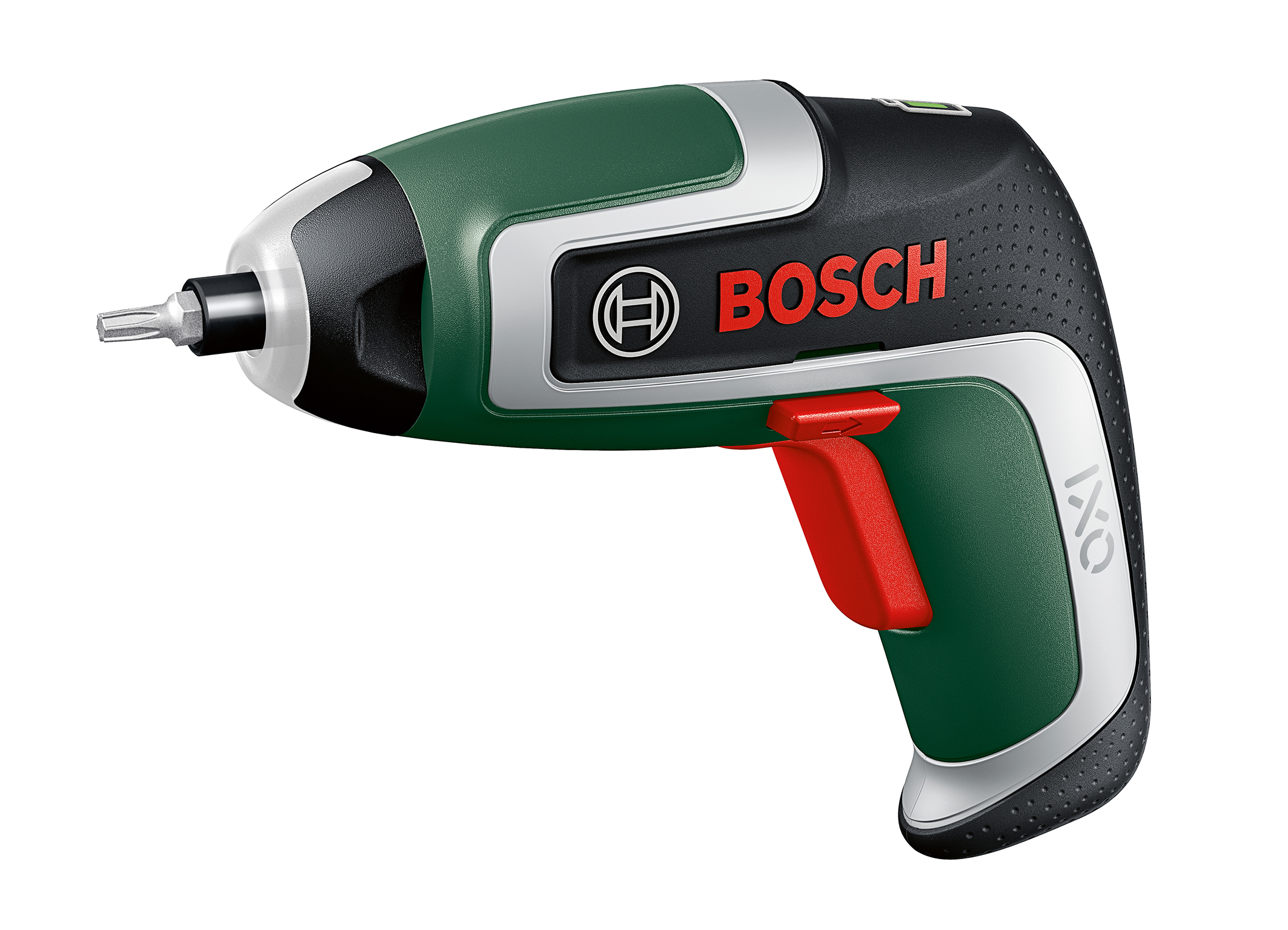
A machine can be affordable to buy and expensive to keep running in the wrong setting. Describe the job first, then compare equipment against that requirement.
Write a one-page requirement
- What task must the equipment perform, and how often?
- What power supply, water supply or fuel will be available?
- Who will install, operate and maintain it?
- What space, access and lifting equipment are available?
Separate advertised and usable capacity
Ask the seller what the capacity figure means in practice. For a pump, flow depends on the application and lift. For a mixer, drum volume is not necessarily the usable mixing volume. Request the model’s manual rather than extrapolating from another machine.
Think beyond delivery
Ask about consumables, replacement parts, maintenance intervals and warranty coverage outside the UK. A low source price can become less attractive if a minor part is difficult to replace at the destination.
Give the carrier the packed specification
Provide gross weight, dimensions, packing method and loading requirements. Flag batteries, fluids and fuel residues. Do not assume a carrier accepts the goods because it accepts other machinery.
Check the classification and approvals
Use the UK export steps and Zimbabwe restrictions guidance to identify the questions for your exact equipment. Technical suitability and legal eligibility are separate checks.
Browse construction or agriculture with your requirement beside you.
Sources and review
Source links checked 27 September 2026. This is independent editorial guidance. Confirm requirements for your exact item before committing money.